Climate and Energy Minister Chris Bowen used his National Press Club address, titled “Energy Security in an Uncertain World”, to build a case around a single Melbourne suburb. Tarneit, 30 kilometres west of the city, has the highest uptake of the government’s cheaper home battery program in the country. It also has the highest uptake of the EV tax discount. Bowen’s point: those two things happening in the same ordinary suburb isn’t a coincidence, it’s a household economics story, not just a climate one.
Here’s what the numbers behind that story show, and what else came out of the address and the Q&A that followed.
EV uptake is accelerating
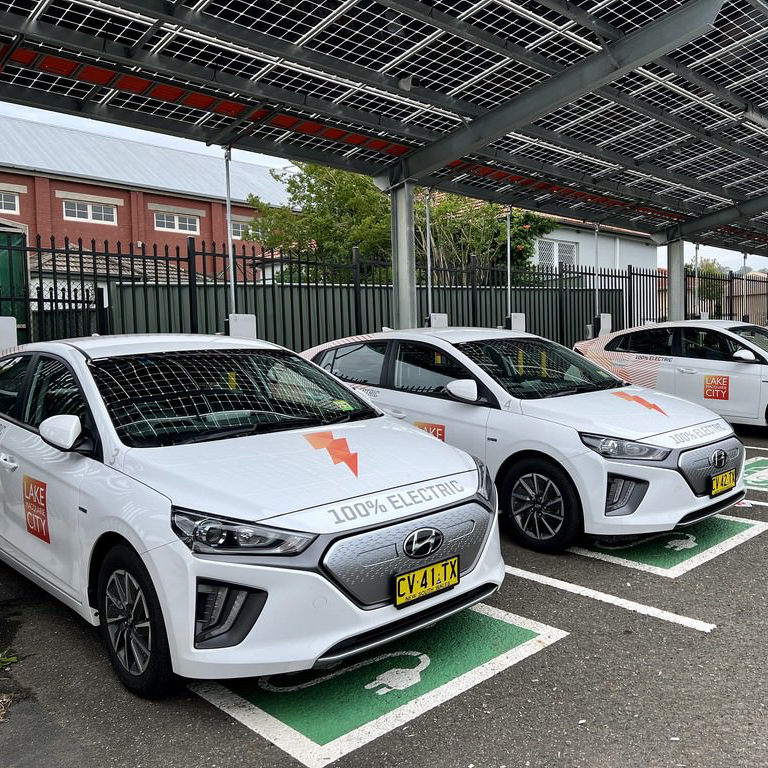
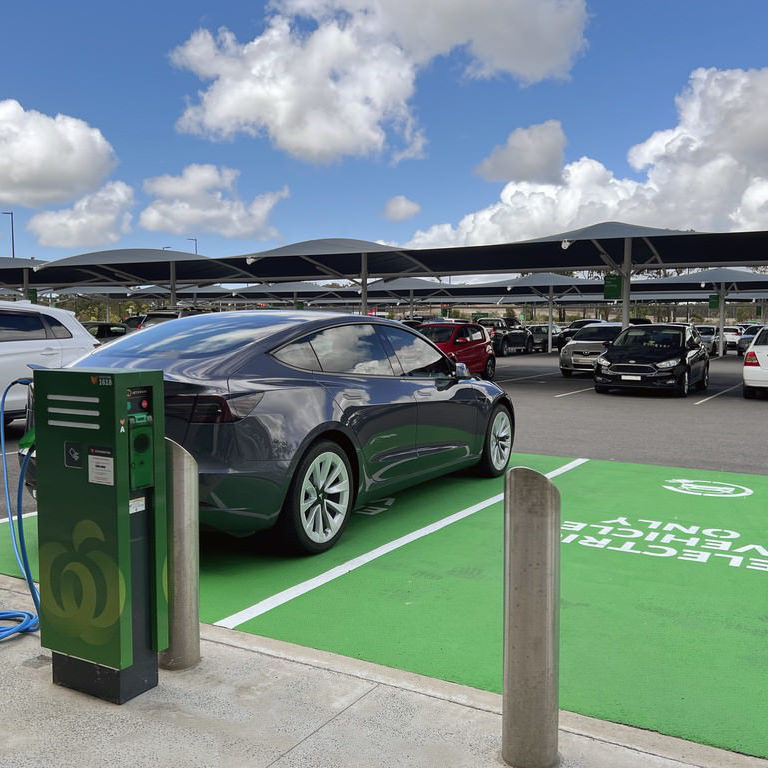
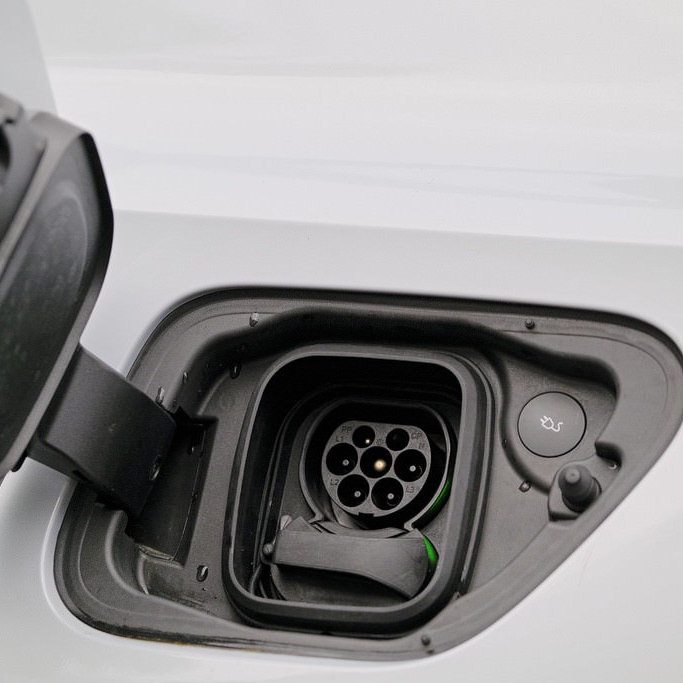
EVs and plug-in hybrids made up 27% of light vehicle sales in the first six months of 2026, around 191,830 vehicles. That’s up from 13.1% across all of calendar 2025, more than doubling in about eighteen months. Bowen credited the EV tax cut and the new vehicle efficiency standards, and reeled off a list of outer-suburban postcodes leading the uptake: Tarneit, Werribee, Kellyville, Marsden Park, Craigieburn, Cranbourne, Bella Vista.
The framing matters here. These aren’t inner-city electorates. Bowen’s argument is that EV and battery adoption is happening because it’s cheaper, not because of climate messaging, and that the suburbs proving it are the ones the government needed to win.
The battery numbers are the real story
Australia ranked second in the world for new residential battery capacity in 2025, behind only Germany, and is forecast to rank first in 2026.
Bowen spent more time on batteries than anything else, and the figures are worth sitting with. Australian households and small businesses installed 13 gigawatt hours of small-scale battery storage in the past year under the Cheaper Home Battery Program, close to 2,000 batteries every working day.
For comparison: the United States installed 3.1 gigawatt hours of residential storage in all of 2025, bringing its entire historical total to 9 gigawatt hours. Australia installed more in one year than the US has installed, ever. The EU added 12.3 gigawatt hours in 2025 across a market with a vastly larger population. Australia ranked second in the world for new residential battery capacity in 2025, behind only Germany, and is forecast to rank first in 2026.
Five federal electorates now have more than 10% of households with a battery installed: Mitchell, Greenway and Hume in NSW, Mayo in South Australia, and Wright in Queensland.
A new policy for the “missing middle”
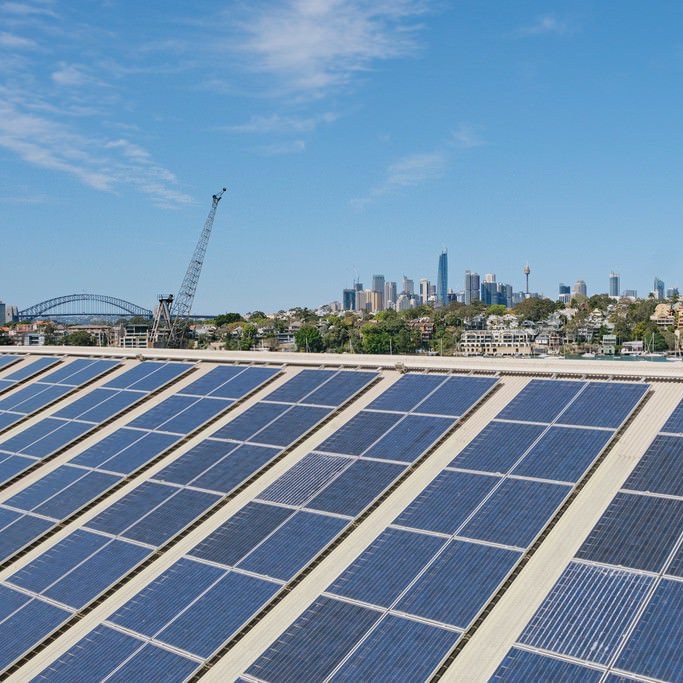
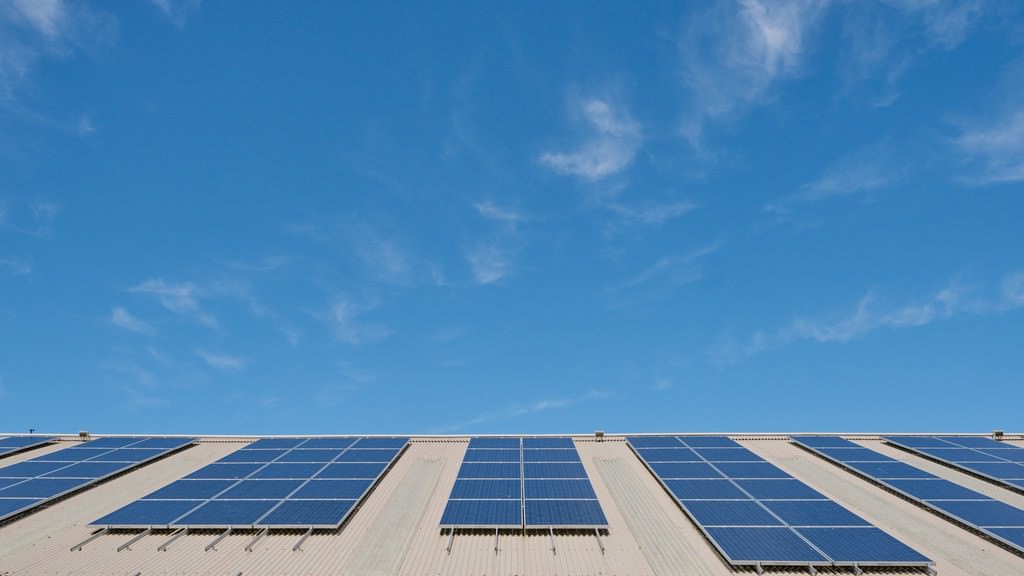
The one concrete announcement in the speech targets commercial and industrial solar, what Bowen called the missing middle. Residential rooftop solar sits at 22 gigawatts installed. Businesses have installed only 5.6 gigawatts, despite an estimated 80+ gigawatts of technical potential on commercial, industrial and farm rooftops.
Part of the reason: the small-scale renewable energy scheme caps support at 100 kilowatts, enough for a house but not much for a warehouse or factory roof. Bowen announced the cap will rise to one megawatt, cutting installation costs for commercial and industrial solar by around 20%. Worked examples from the speech: a 250 kilowatt system would get roughly $68,000 off the upfront cost and generate around $50,000 a year in savings; an 850 kilowatt system, enough for a large factory or logistics warehouse, would get around $230,000 off upfront with roughly $175,000 in annual savings. He’s also asked the Australian Energy Market Commission to force network providers to approve commercial and industrial solar connections faster, citing businesses giving up after repeated delays.
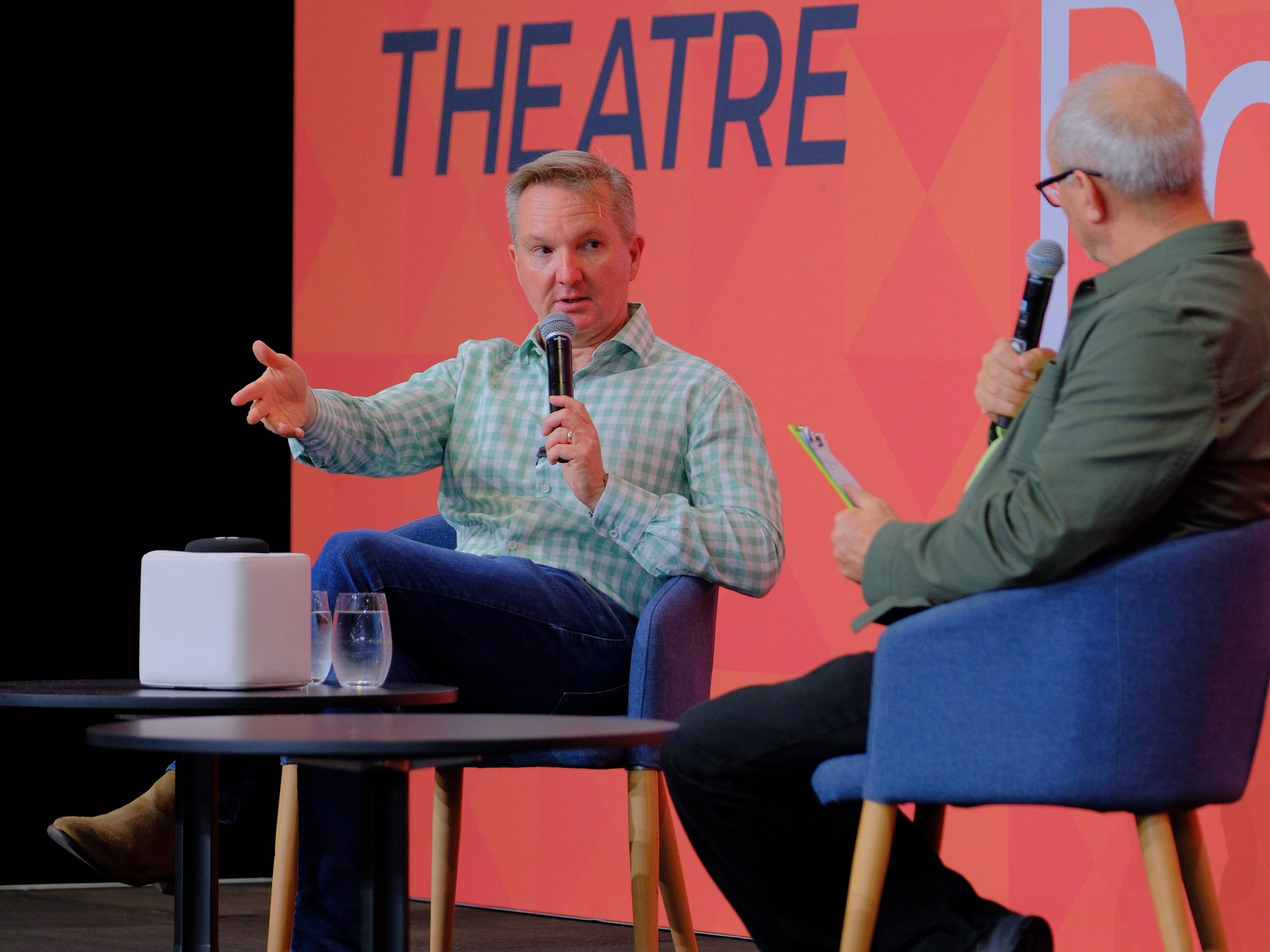 → Chris Bowen at Everything Electric Sydney, Sydney Olympic Park, in 2025
Coal keeps breaking down
Bowen returned to a data point he first raised two years ago: unplanned coal outages have now occurred somewhere in the national grid every single day for three years running. In the first quarter of 2026, average daily outages rose 23% across Queensland, NSW and Victoria compared to the same quarter in 2025; in Queensland alone, outages rose 84%. The average age of a coal plant in the national grid is now 38 years. Renewables made up a third of the grid in May 2022 and 50% by the end of 2025, with wholesale prices averaging $74 a megawatt hour in the second quarter, down 47% year on year and the lowest second-quarter average in six years.
What’s still unresolved
Asked directly about a road user charge for EVs, given EV drivers don’t pay fuel excise, Bowen confirmed it’s coming but wouldn’t commit to a timeline. It wasn’t in the last budget because “it needs more work,” and he was clear he doesn’t want it rushed: “It’s got to be done right. It’s got to be done carefully.” He also confirmed the Battery to Grid program is “hugely popular” with households, though still early days, and floated V2G (Vehicle to Grid) as one way to make the EV fleet a genuine grid asset rather than just a plug-in load.
On the 82% renewable target for 2030, Bowen hedged: “I think we can” rather than promising it will happen, and said hitting 82% in 2031 instead of 2030 would “still be a very good thing.” Wind projects in particular are struggling to reach final investment decisions as falling wholesale prices reduce the return on new builds, even as utility solar and batteries keep clearing that bar.
The bottom line
Strip out the COP31 diplomacy and the sparring with Queensland over gas royalties, and the substance of this address was about household and business economics doing more of the transition’s heavy lifting than policy messaging. The EV and battery numbers back that up. The unresolved bit, road user charging, is the one piece of the EV-adoption story that still doesn’t have a stated timeline.
Source: Chris Bowen, National Press Club address, “Energy Security in an Uncertain World”, June 2026.